Grinding for Grades: How Asian P2E Platforms Are Quietly Paying American Students' Tuition Bills
College in America has never been more expensive. The average student loan debt is hovering north of $37,000 per borrower, and the traditional part-time job — barista shifts, campus bookstore gigs, weekend warehouse work — barely puts a dent in tuition bills that can crack $30,000 a year at public universities. So when a 20-year-old in Ohio can log onto a Filipino-developed blockchain game and pocket the equivalent of a few hundred dollars in a weekend, you can bet word travels fast in the group chat.
That's exactly what's happening right now, and it's more organized than you might think.
The Scholarship System That Wasn't Built for Americans — But Works Anyway
The "scholarship" model in play-to-earn gaming didn't originate in Palo Alto or Austin. It came out of Southeast Asia, specifically from communities in the Philippines, Vietnam, and Indonesia where platforms like Axie Infinity made early headlines during the pandemic. The setup is straightforward: a "manager" or guild owns high-value in-game assets (NFT characters, land, equipment) and loans them out to "scholars" who don't have the capital to buy in themselves. Scholars play, earn tokens, and split the revenue with the asset owner.
What started as a survival economy in Manila has quietly found a second life on American campuses.
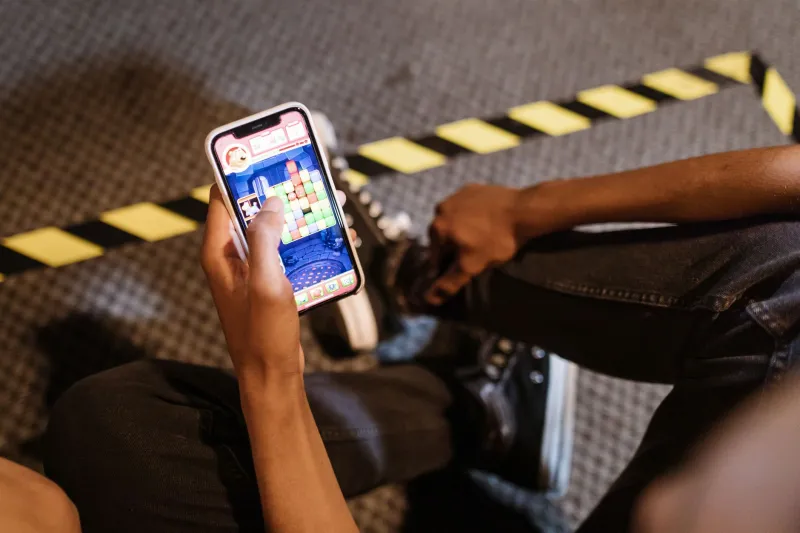
US-based gaming guilds — many of them connected to larger Asian blockchain gaming ecosystems — have been recruiting college students as scholars for the past couple of years. The appeal is obvious: no startup capital required, flexible hours that bend around class schedules, and payouts in crypto that can be converted to real dollars. For a student pulling a double shift at minimum wage, comparing that to a few hours of strategic gameplay with comparable earnings isn't a hard sell.
Real Numbers From Real Students
It's easy to dismiss this as fringe behavior, but anecdotal evidence is stacking up fast. Reddit threads in r/personalfinance and various crypto gaming Discord servers are full of American students talking openly about supplementing — and in some cases replacing — traditional income with P2E earnings.
One junior at a state university in Texas described averaging around $400 to $600 per month through a Southeast Asian gaming guild, enough to cover his utilities and a portion of his meal plan. A student in Florida mentioned using earnings from a blockchain-based card game developed by a South Korean studio to pay off a semester's worth of textbooks and lab fees. These aren't life-changing sums on their own, but stacked on top of financial aid, they're moving the needle.
The platforms driving most of this activity aren't household names in the US. We're talking about titles and ecosystems that have massive user bases across Asia but haven't cracked mainstream Western gaming media yet. That obscurity is part of why this trend has flown under the radar — and why some students feel like they've found an edge.
Why Asian Platforms Have the Infrastructure for This
There's a reason this model emerged from Asian gaming studios rather than Western ones. Mobile-first design, low transaction fees optimized for smaller payouts, and deeply embedded guild and community mechanics have been standard features of Asian game development for over a decade. When blockchain was layered on top, those existing social structures translated naturally into scholarship ecosystems.
Western P2E attempts have often stumbled because they grafted tokenomics onto gameplay that wasn't built for it. Asian studios, particularly those out of South Korea, the Philippines, and increasingly Vietnam, designed their economies from the ground up with real-money participation in mind. That's a massive structural advantage when you're trying to build something that actually sustains players financially.
For American students who find these platforms, the learning curve is real but manageable. Most major guild communities have English-language onboarding now, and YouTube tutorials covering everything from wallet setup to optimal farming strategies are widely available.
The IRS Is Going to Have Opinions
Here's where things get complicated — and where a lot of students are currently operating in a gray zone they may not fully understand.
The IRS has been increasingly clear that cryptocurrency earnings are taxable income. That includes tokens earned through gameplay. Whether you're receiving crypto as wages, as a reward for completing in-game tasks, or as a share of guild earnings, the agency's position is that it counts as ordinary income at the time of receipt, valued at the fair market price of the token on that day.
For students earning modest amounts, this might not trigger massive tax bills, but it does create reporting obligations that many aren't aware of. And as these platforms grow and earnings scale up, the exposure grows with them. There's also the question of how scholarship arrangements are classified — is a student a contractor to the guild? A revenue-sharing partner? An employee? None of those buckets fit cleanly, and tax attorneys are still working through the implications.
Regulatory clarity is coming, but it's moving slower than the trend itself. In the meantime, students playing in these ecosystems would be smart to keep detailed records of their earnings, conversion rates, and transaction history. It's not glamorous advice, but it's the kind of thing that matters when filing season rolls around.
Is This Disrupting Student Loans?
Let's not overstate it — P2E income isn't replacing the student loan market anytime soon. But it is doing something interesting at the margins. It's giving a segment of students an alternative income stream that doesn't require taking on debt, doesn't involve a credit check, and can be started with almost zero upfront cost if you access it through a scholarship arrangement.
For first-generation college students or those from lower-income backgrounds who don't have family support to fall back on, that flexibility has real value. It's not a silver bullet, but it's a tool that didn't exist five years ago.
What's also notable is the financial literacy that comes along for the ride. Students engaging with these platforms are learning about wallets, token economics, liquidity, and portfolio management in a hands-on way that no classroom delivers. That's a long-term asset that compounds well beyond whatever tuition bill gets covered.
The Bottom Line
The overlap between Asian blockchain gaming infrastructure and American student financial stress is producing something genuinely new. It's messy, it's under-regulated, and it's not without risk — token values fluctuate, platforms come and go, and tax compliance is a real issue. But the core idea that a college student in Kansas can tap into a gaming economy built in Manila or Seoul to fund their education? That's not a future thing. It's already happening.
Keep an eye on this space. The students grinding tonight might be the ones with the cleanest balance sheets by graduation.