Shadowbanned for Streaming: The Quiet War on Asian Crypto Game Content — and the Underground Communities Fighting Back
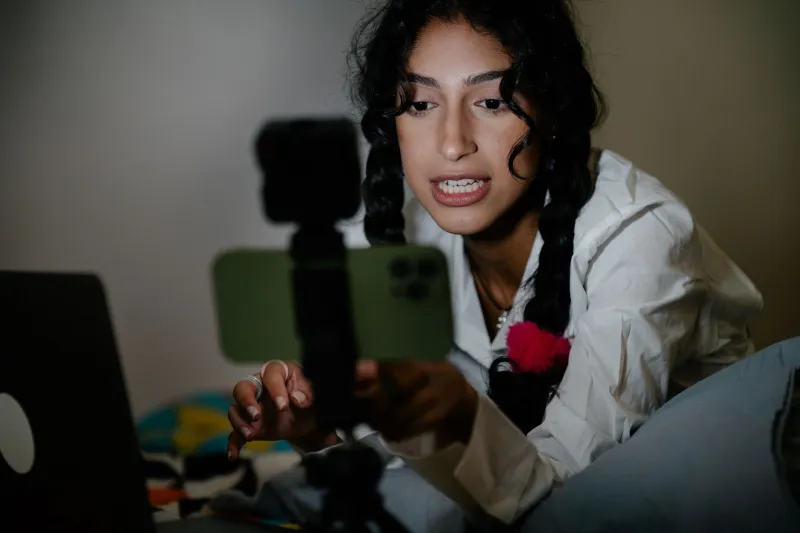
You spend two weeks researching a Vietnamese play-to-earn game. You film a solid 20-minute breakdown, edit it clean, post it to YouTube with all the right tags. Then you watch it flatline — 47 views in three days, zero search impressions, no recommendations. Your other videos? Fine. This one? Invisible.
For a growing number of US content creators covering Asian blockchain gaming platforms, that scenario isn't a one-off. It's a pattern. And the frustrating part is that nobody ever sends you a notice. No strike. No warning. Just silence.
We reached out to creators in this space to understand what's happening, why platforms are so skittish about this content, and where the community has gone to keep the conversation alive.
The Platforms Are Nervous — and It Shows
YouTube, TikTok, and Discord all operate under content moderation frameworks that were built, in large part, to manage regulatory risk in the US market. The problem is that "crypto" and "gambling-adjacent gaming" are two categories that those frameworks treat with extreme caution — and Asian blockchain gaming sits at the intersection of both.
YouTube's advertiser-friendly content guidelines explicitly flag cryptocurrency promotions and anything that resembles gambling promotion. TikTok's ad policies restrict crypto content heavily. Discord has cracked down on servers that host token trading discussions or promote play-to-earn platforms, citing financial promotion rules.
None of these platforms have drawn a clean line between "educational content about Asian P2E games" and "promotion of unregistered financial products." So their algorithms and moderation teams — many of which rely on automated flagging — err on the side of suppression.
"I've never promoted anything. I just explain how these games work," says Marcus T., a creator based in Houston who runs a YouTube channel focused on Southeast Asian gaming ecosystems. "But the moment I mention a token ticker or show a wallet earning screen, the video tanks. It doesn't get taken down. It just… stops existing."
That's the shadowban in practice. The content stays up. The creator sees it. New viewers don't.
TikTok's Particular Problem
TikTok deserves its own paragraph here because its situation is uniquely complicated. The platform is already under intense political scrutiny in the US over its Chinese ownership. Content that touches on Asian crypto platforms — especially anything that could be framed as directing American money toward Chinese-adjacent financial products — is essentially radioactive from a moderation standpoint.
Creators who've experimented with this content on TikTok report that videos about Asian gaming tokens rarely make it out of their existing follower base. The "For You" page algorithm, which is TikTok's primary distribution engine, appears to gate this content aggressively.
"I posted the same video on TikTok and Instagram Reels in the same week," says Priya K., a crypto lifestyle creator in California. "The Instagram version got 80,000 views. TikTok gave me 900. Same thumbnail, same hook, same content. The only difference was I mentioned a Philippines-based P2E platform by name."
Priya now strips platform names from her TikTok scripts and links to a Linktree in her bio. It's a workaround, not a solution.
Discord's Crackdown on Crypto Gaming Servers
Discord was once the natural home for blockchain gaming communities. Guilds organized there. Token discussions happened in real time. US players connected with Asian gaming communities in ways that no other platform really facilitated.
That's changed. Over the past 18 months, Discord has disabled monetization features for servers deemed to be promoting crypto products and has suspended or banned servers associated with token trading activity. Some creators have had entire community servers — with tens of thousands of members — wiped out without detailed explanation.
The regulatory backdrop matters here. Discord is a US company and subject to SEC scrutiny around platforms that facilitate the promotion of unregistered securities. Asian gaming tokens, many of which have not gone through any US regulatory approval process, fall squarely into that gray zone.
The Regulatory Gray Zone Fueling All of This
Here's the honest truth: platforms aren't entirely wrong to be cautious. The US regulatory environment around crypto gaming tokens is genuinely murky. The SEC has signaled interest in classifying certain gaming tokens as securities. The CFTC has overlapping jurisdiction claims. State-level money transmission laws add another layer.
Asian platforms often operate under regulatory frameworks that simply don't map onto US law. A token that's perfectly legal to promote in the Philippines or Vietnam may exist in a legal gray area for a US creator who monetizes content about it.
Platforms, unwilling to become the test case for that legal question, have defaulted to suppression. It's risk management dressed up as content policy.
Where the Community Actually Lives Now
The interesting part of this story isn't the suppression — it's the adaptation. Creators and communities have been remarkably inventive about finding spaces where these conversations can happen.
Telegram has become the dominant platform for Asian crypto gaming discussion among US-based enthusiasts. It's less regulated, internationally headquartered, and doesn't carry the same advertiser pressure that drives YouTube and TikTok's caution. Channels dedicated to specific P2E ecosystems — Axie Infinity guilds, Pixels game communities, Ronin network discussions — have rebuilt there.
Farcaster and Lens Protocol, decentralized social media platforms built on blockchain infrastructure, are attracting crypto-native creators who've been burned by Web2 platform policies. Content posted there is censorship-resistant by design. The audiences are smaller, but they're more engaged and more relevant.
Substack has emerged as a surprisingly popular home for long-form analysis of Asian gaming tokens and platforms. Several newsletters focused specifically on Southeast Asian P2E markets have grown to thousands of paid subscribers, entirely off the back of audiences that were pushed out of YouTube and TikTok.
"My Substack makes more money than my YouTube channel ever did," says Marcus T. "And nobody can shadowban an email."
What Creators Are Doing to Survive on Mainstream Platforms
For creators who aren't ready to abandon YouTube or TikTok entirely, the adaptation strategies are getting creative.
Many have learned to avoid token tickers, wallet screenshots, and anything that resembles a price prediction. They focus on gameplay footage, community storytelling, and cultural context — framing Asian crypto games as entertainment rather than financial products.
Some use coded language or indirect references that their existing audiences understand but that don't trigger automated flagging. It's an imperfect solution that favors creators who already have an established community.
Others have split their content: mainstream platforms get the sanitized, gameplay-focused version; Telegram and Substack get the real analysis.
The Bigger Picture
What's happening to these creators is a symptom of a larger disconnect. US platforms built moderation systems for a US-centric view of crypto risk, and those systems are struggling to accurately categorize a global, fast-moving category like Asian blockchain gaming. The collateral damage is a generation of creators who are being pushed off mainstream platforms for covering a legitimate and growing sector.
The communities aren't disappearing. They're just moving somewhere you can't easily find them — which, ironically, makes the whole space harder to regulate, not easier.